Non-Invasive Prenatal Testing (NIPT) is a sophisticated screening test performed on a standard sample of the mother’s blood. It examines small fragments of cell-free fetal DNA circulating in the maternal bloodstream to assess the likelihood of specific chromosomal conditions, most commonly Down syndrome (Trisomy 21), and depending on the panel selected, conditions such as Trisomy 18 (Edwards syndrome) and Trisomy 13 (Patau syndrome).
NIPT can typically be carried out from around the 10th week of pregnancy onward. While there is no upper gestational time limit within pregnancy, opting for earlier screening provides parents and clinicians ample time to review the findings, discuss next steps, and arrange diagnostic testing if indicated.
Because the test requires only a maternal blood sample, it carries zero procedural risk of miscarriage, offering a safe and reassuring screening option.
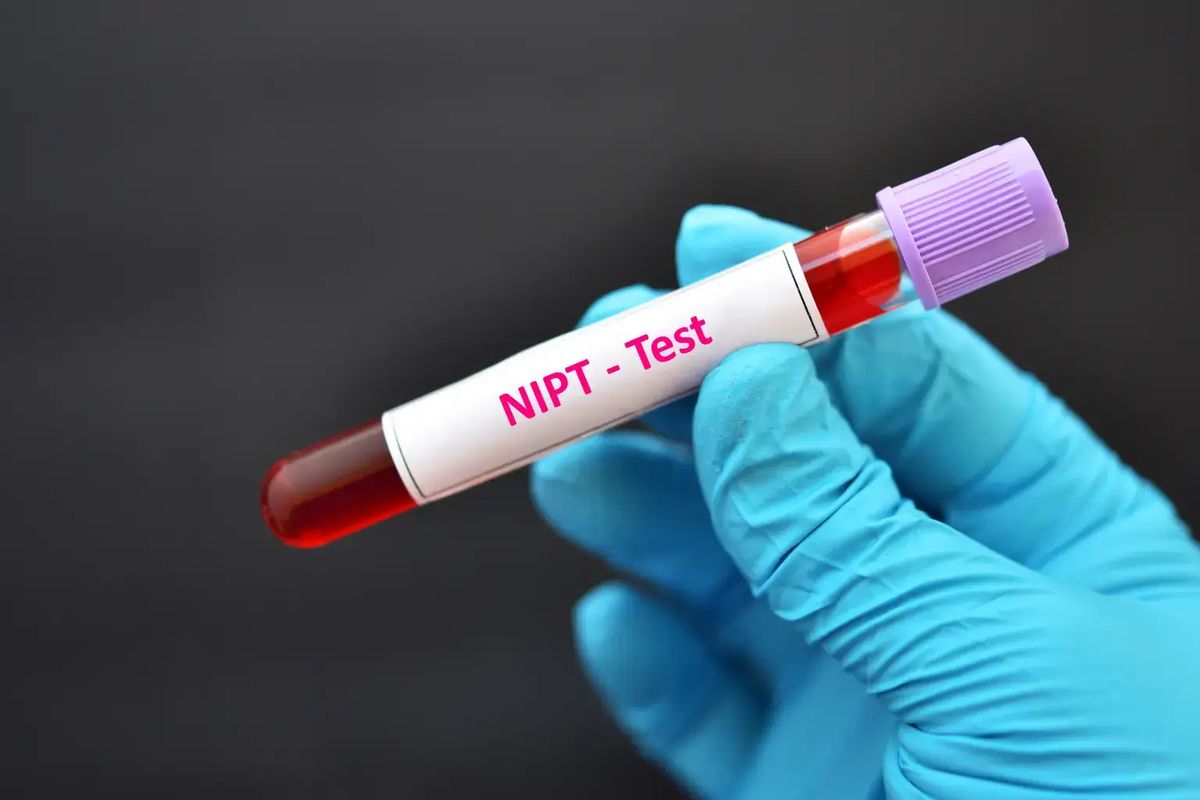
Understanding how NIPT works helps ensure clarity and informed decision-making throughout your prenatal journey.
No. NIPT is a screening test, not a diagnostic test. It evaluates statistical likelihood rather than confirming a diagnosis. A higher-risk result is followed by genetic counselling and confirmatory diagnostic tests, such as chorionic villus sampling (CVS) or amniocentesis.
NIPT offers higher sensitivity for common chromosomal conditions than standard combined screening, but it does not replace the anomaly scan. While NIPT assesses genetic likelihood, ultrasound scans evaluate structural organs and physical fetal anatomy.
NIPT is available to anyone seeking high-accuracy early screening, with particular value in specific maternal and clinical scenarios.
Expectant parents who want a highly sensitive and reliable screening option for common chromosomal conditions with minimal false-positive rates.
Women who will be 35 years or older at delivery, where the baseline likelihood of chromosomal conditions like Down syndrome is statistically elevated.
Those who have received an intermediate or higher-risk outcome from earlier first-trimester combined screening or nuchal translucency scans.
Parents with a personal obstetric history of a previous pregnancy or birth affected by a trisomy or chromosomal condition.
Anyone who prefers an advanced blood-test-only screening option over combined ultrasound and biochemical serum screening.
Couples seeking clear, reliable reassurance early in the pregnancy without taking on the procedural risks of an invasive diagnostic test.
NIPT results are categorized into risk probabilities—typically "Low Risk" or "High Risk"—rather than a simple yes-or-no diagnosis.
Significantly reduces the likelihood of the conditions screened. While it provides strong clinical reassurance, it does not completely eliminate all genetic risk or test for every chromosomal condition.
Means an elevated likelihood has been detected. It does not confirm a diagnosis on its own; further clinical evaluation and diagnostic testing are strongly recommended before decisions are made.
Every sample evaluates the percentage of fetal cell-free DNA present in maternal blood, ensuring adequate fetal fraction for valid, dependable screening results.
Detailed pre- and post-test counselling ensures parents understand what conditions are screened, what test reports mean, and what follow-up care is best suited to their pregnancy.
Dr. Chintan Chaudhary offers specialized NIPT counselling, test coordination, and detailed report interpretation at Sama OPD Clinic, J-203, Saket, New Delhi. Every session is designed to deliver clarity, compassion, and evidence-based guidance for parents throughout their screening journey.
Specialized prenatal diagnostic and fetal medicine pathways to support and protect your pregnancy.
The broader screening pathway that NIPT sits within, including first-trimester dual markers and ultrasound assessments.
Comprehensive consultations to explore family health history, understand hereditary risks, and interpret screening or test results.
Tailored clinical management, specialized Doppler scans, and proactive fetal surveillance for pregnancies needing closer specialist monitoring.
Find clear answers to common questions about NIPT accuracy, timing, procedure safety, and next clinical steps.